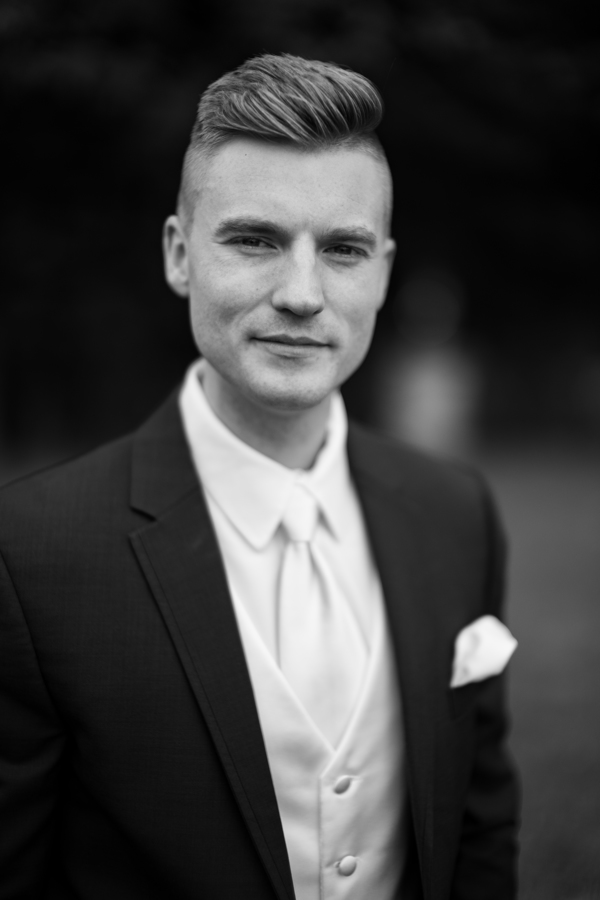
Hey there, I’m Tyler!
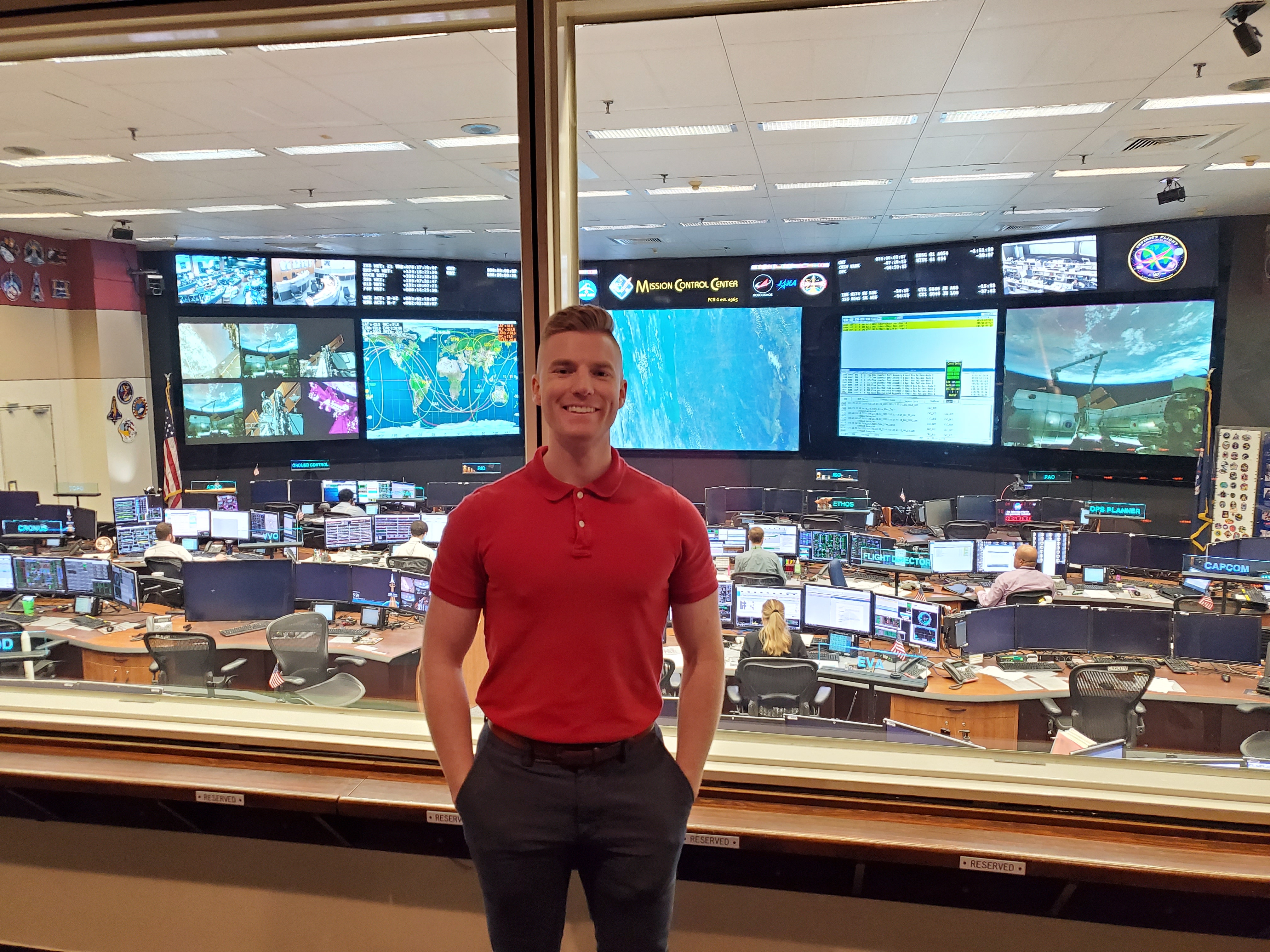 I’m a researcher and engineer passionate about solving complex problems with innovative solutions.
My area of expertise is Electrical and Computer Engineering which I studied at the University of Pittsburgh and received my PhD in 2024.
My research interests are fault-tolerant computing, reliable machine learning, computer architecture, and radiation effects on complex devices.
“There is only one way to learn. It’s through action. Everything you need to know you have learned through your journey.”
-Paulo Coelho, The Alchemist
Selected Experience
NASA
Since 2019, I have had the privilege of interning at a several NASA centers and contributed to a variety of projects.
2019: NASA Langley - Safety-Critical Avionic Systems Branch - Research Intern
Project: Autonomous Free Flyers for Spacecraft Inspection
2020-Present: NASA Johnson Space Center - Human Interface Branch- Graduate Pathways Intern Projects: Radiation-Tolerant Display System & JointAR
Radiation-Tolerant Display System
Lead system architect for a radiation-tolerant display system prototype at NASA for future astronaut displays.
Developed a modular and scalable solution for spacesuits, rovers, and spacecraft which balances high-performance computing with radiation-tolerance.
Constructed and managed a multi-phase development plan starting with a table-top demonstration evolving to engineering and flight models.
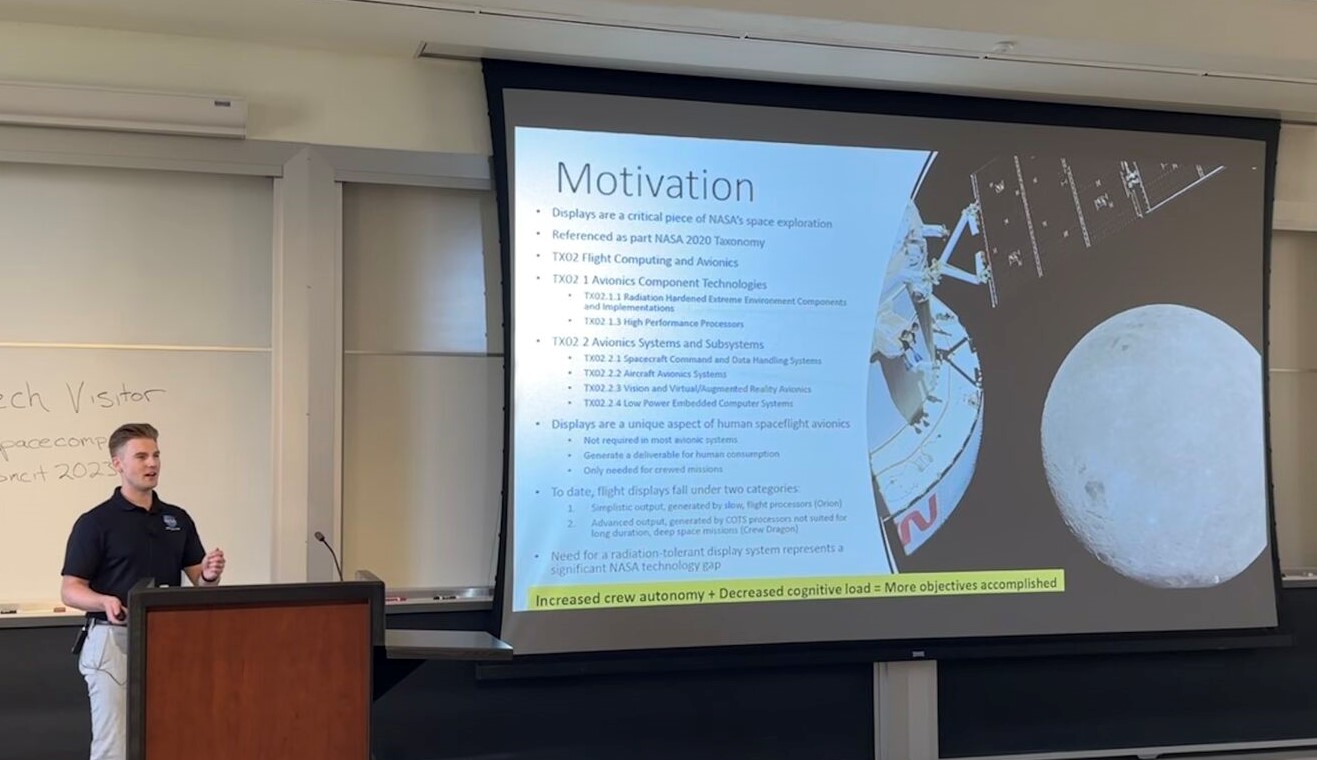 Presentation at the 2023 IEEE Space Computing Conference. Cal Tech, Pasadena, CA.
Presentation: Towards A Radiation-Tolerant Display System
Joint AR
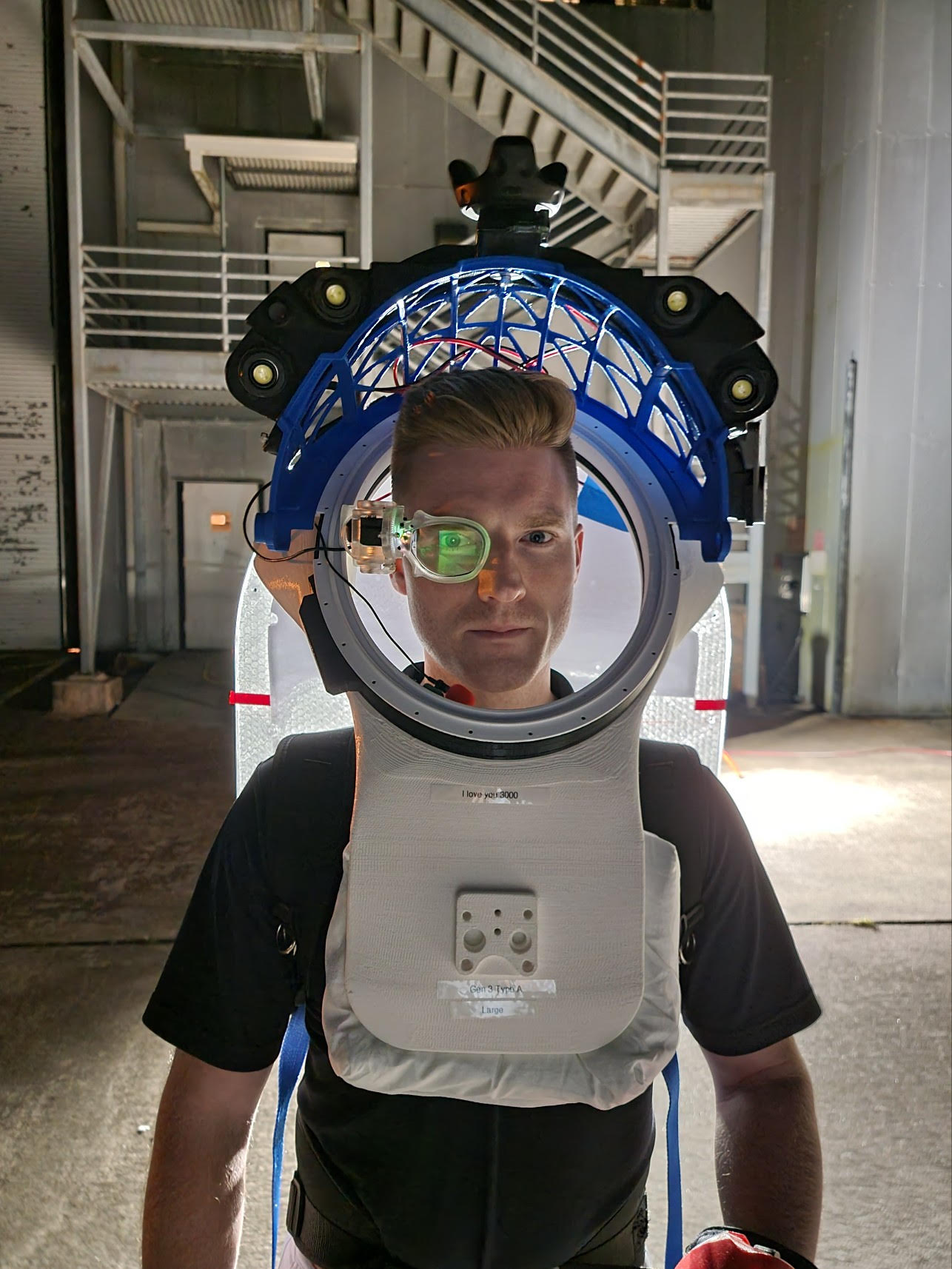
Served as a fault-tolerant computing researcher, avionics lead, and software engineer for the Joint Augmented Reality Visual Informatics System (Joint AR).
Joint AR explores how a near-eye augmented reality display might be fielded as a centralized information display upon which crew can make mission decisions while performing extravehicular activity (EVA).
Researched methods for handling soft-errors for graphics-processing applications.
Implemented an advanced gesture-based control scheme for the next generation spacesuits (xEMU) Heads-In Display leveraging computer vision and machine learning techniques in a resource-constrained embedded system.
Publication: Trades, Architecture, and Design of the Joint Augmented Reality Visual Informatics System (Joint AR) Product
Autonomous Free Flyers for Spacecraft Inspection
Designed and developed a multi-agent drone system that utilized distributed computing and computer vision to simulate autonomous free flyer inspection of spacecraft. Developed a suite of flight software (cFS) applications for guidance, navigation, and control (GNC) from low-level attitude control up to high-level drone autonomy (path planning, flight distribution, etc).
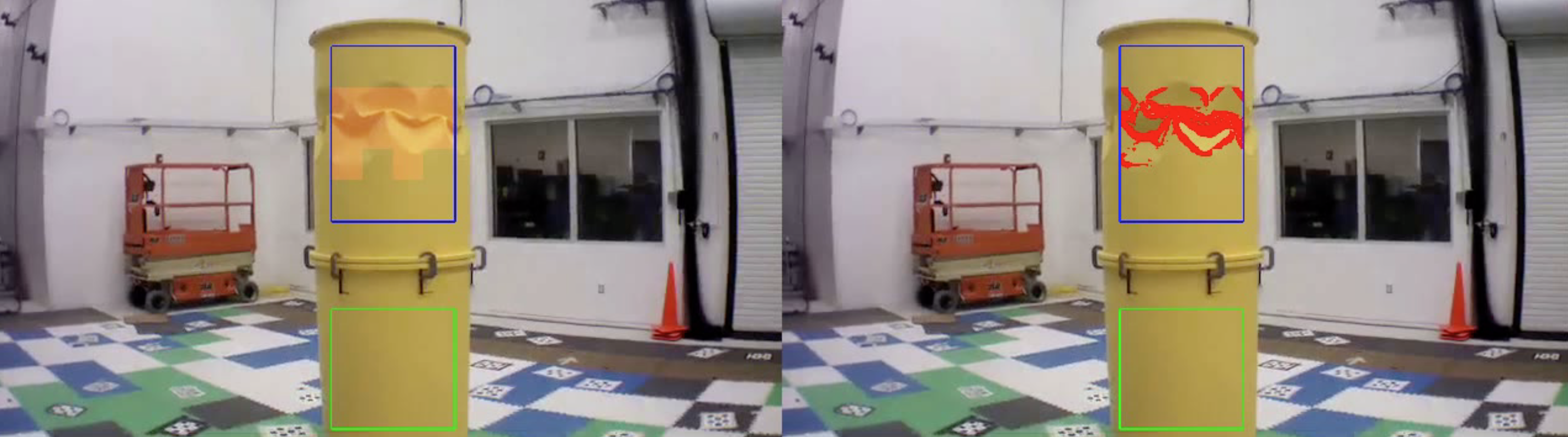
Video: Final Presentation
Publication: Autonomous Spacecraft Inspection with Free-Flying Drones
NSF-SHREC
 My graduate research was conducted at National Science Foundation Center for Space, High-Performance, and Resilient Computing (NSF-SHREC).
Primary Research: Researching fault-mitigation strategies for radiation effects in advanced computer architectures, GPUs, and other hardware accelerators for space applications.
Designed and developed Resilient TensorFlow, a framework for scalable deployment of on-chip fault-mitigation to increase reliability of ML inference.
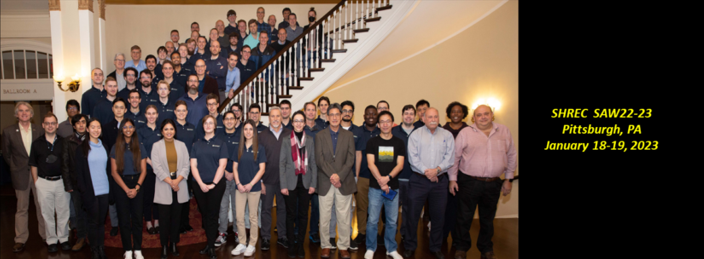
Latest Publications: Resilient TensorFlow & Edge TPU Fault Mitigation
Anyone seeking to collaborate or become a member of SHREC, please reach out!
Links:
SHREC Website & SHREC LinkedIn
CASPR
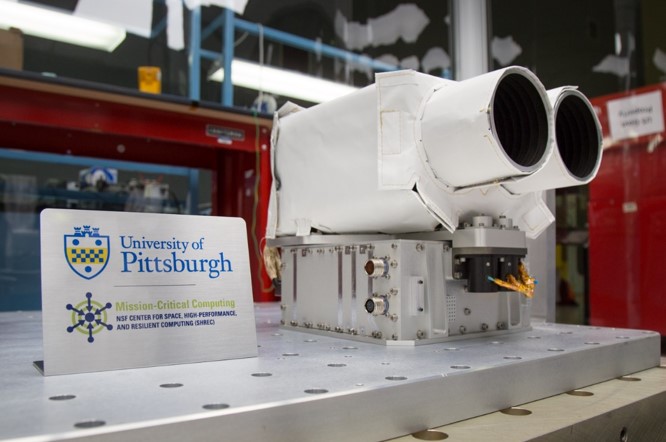 Configurable and Autonomous Sensor Processing Research (CASPR) was designed to evaluate autonomous, onboard processing strategies on novel sensors and has been operating on the ISS since 2021 as part of the DoD/NASA Space Test Program – Houston 7 (STP-H7) mission.
I served as a hardware and software team member for CASPR an International Space Station (ISS) research experiment to study and evaluate novel technologies in sensors, computers, and intelligent applications for SmallSat-based sensing with autonomous data processing.
Lead GPU fault-tolerance sub-experiment.
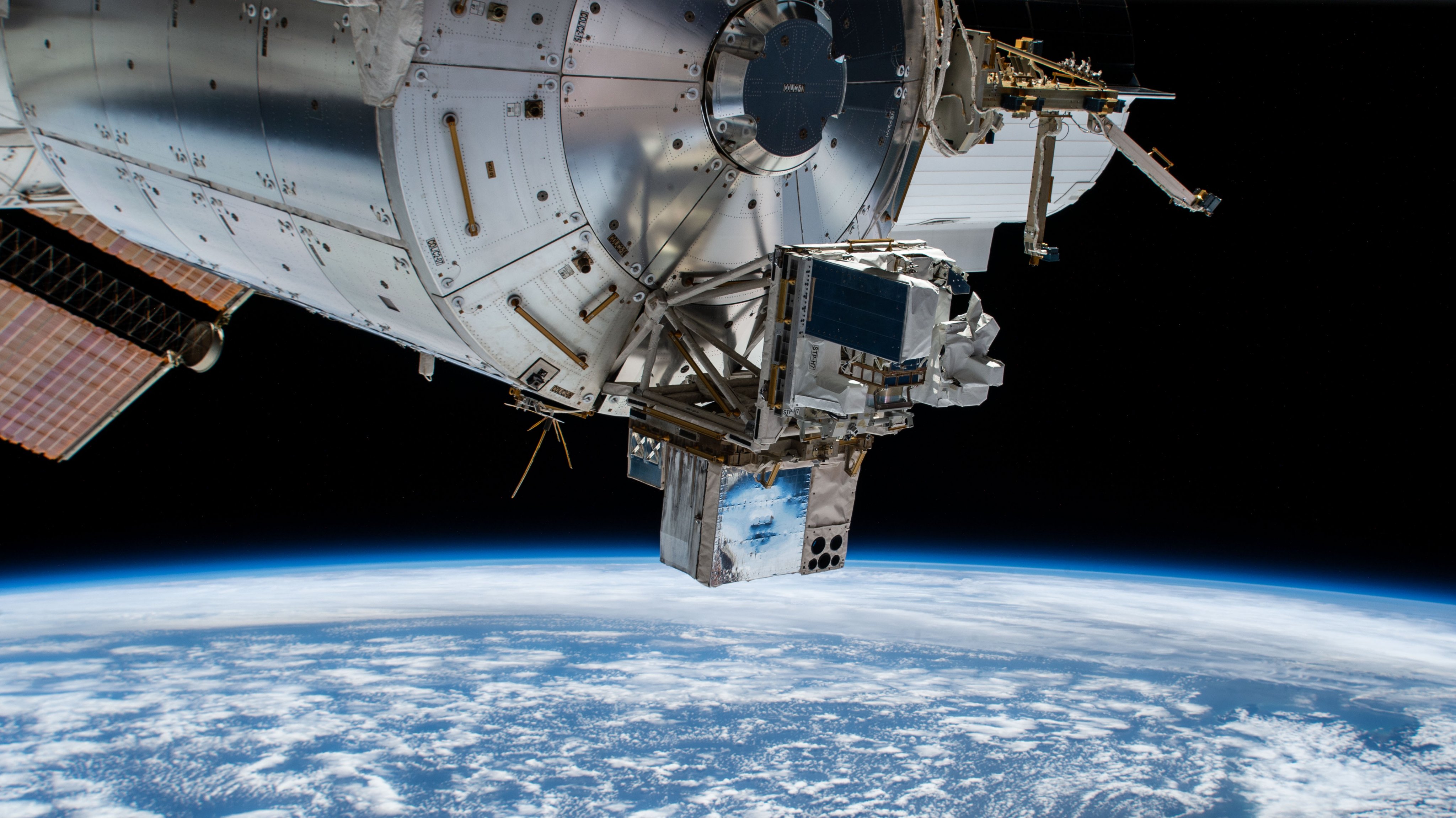 Click here to learn more: CASPR Website & News Article
Radiation Testing
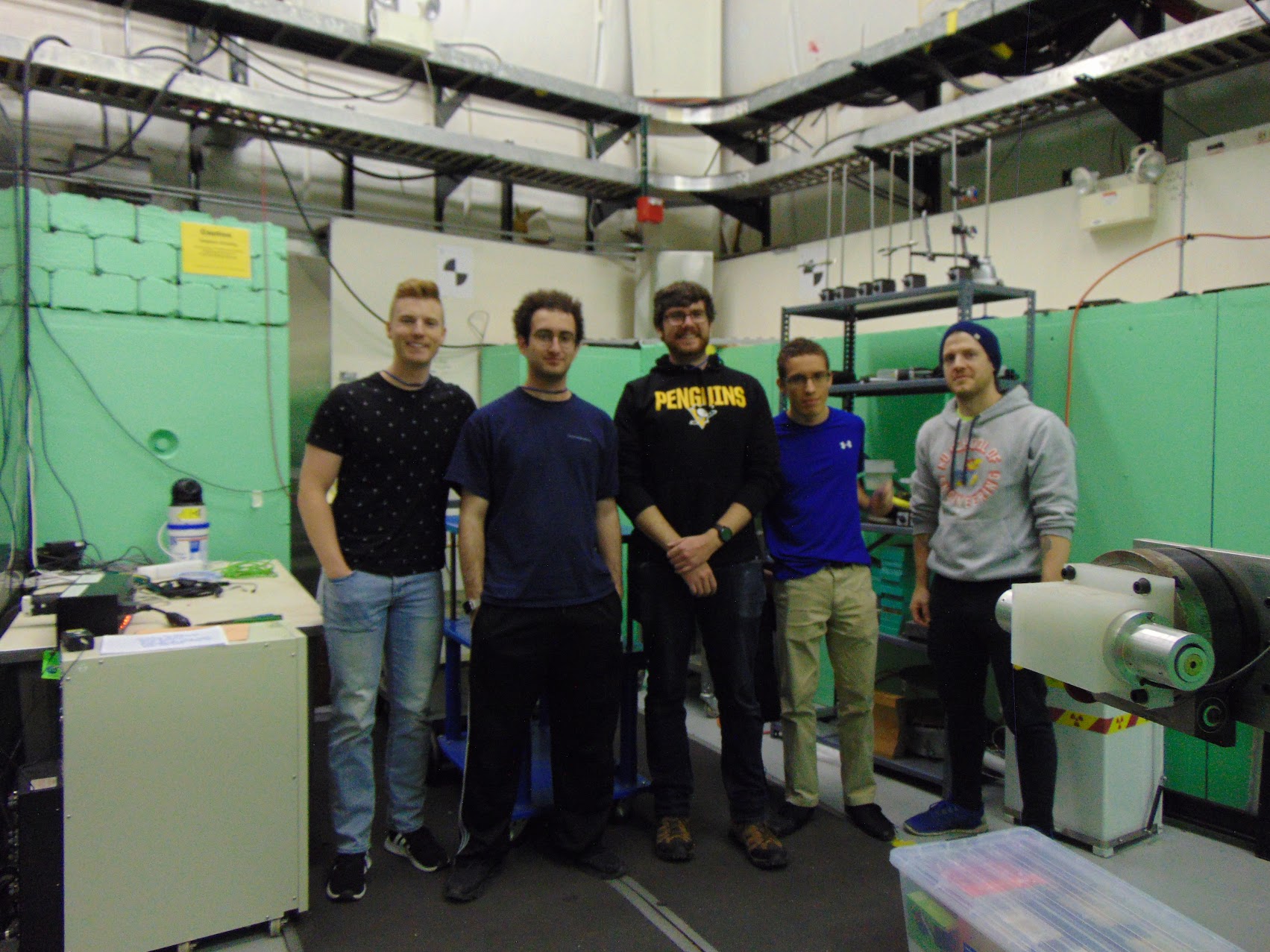 Conducted radiation test campaigns to evaluate and characterize complex computing devices (System-on-chip, GPUs, TPUs, etc.) By understanding faults and failure modes of each device under test (DUT), mitigation strategies can be developed to enhance reliability.
A variety of testing was conducted at Lawrence Berkeley National Laboratory (LBNL) for Total Ionizing Dose (TID) and Destructive Single-Event Effects (SEEs). Additional testing for non-destructive Single-Event Effects were conducted under neutron radiation at Los Alamos National Labs (LANL).